Start with the shift, not the forecast alone
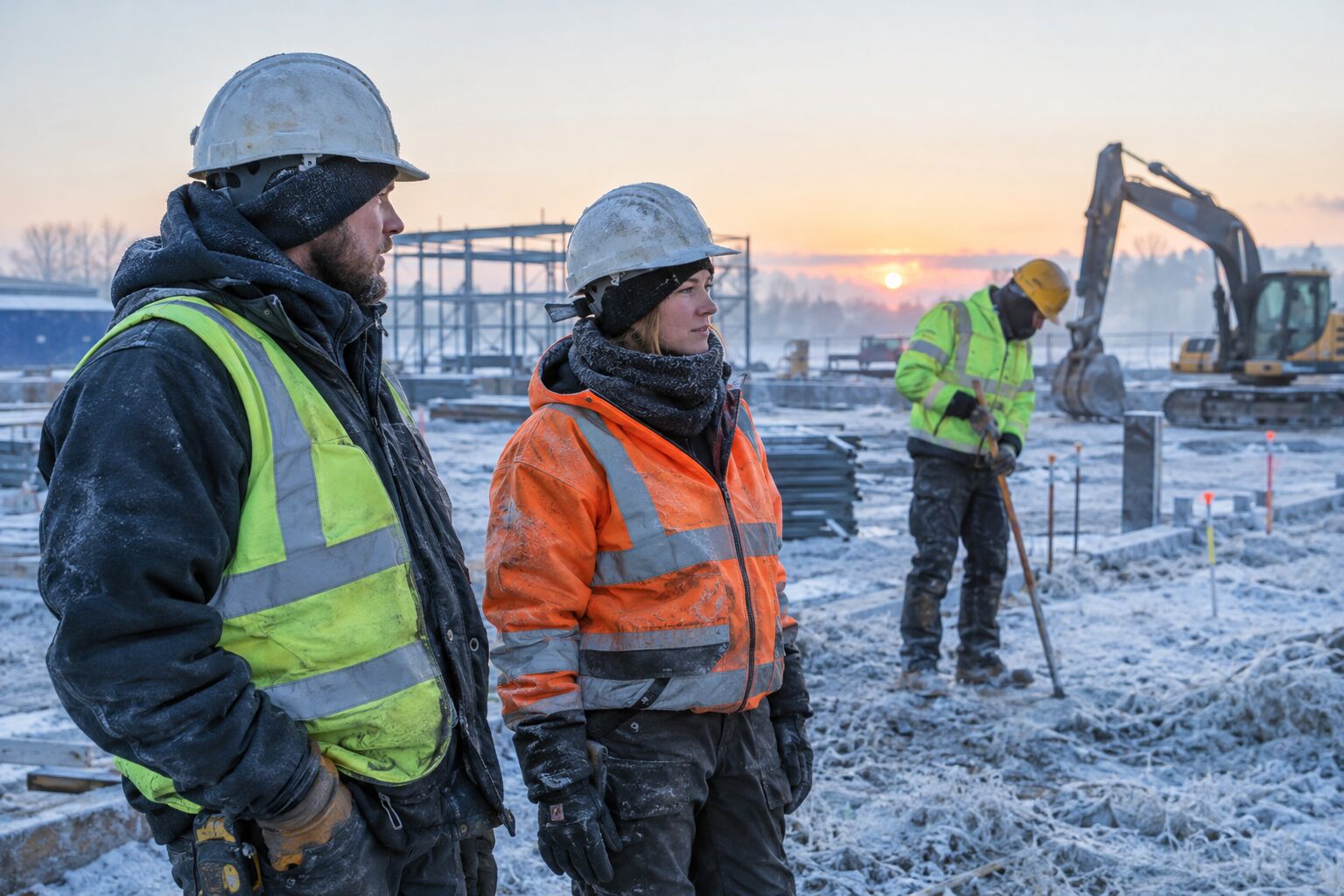
A cold morning can turn into a warm afternoon, and a quiet outdoor task can be followed by heavy lifting indoors. Choose layers you can adjust as the work changes. Think about wind, rain, how active you will be and where you can take a dry break.
Give each layer a job
- Base layer: choose a comfortable, close-fitting layer that manages perspiration without restricting movement.
- Midlayer: add a fleece, sweatshirt or other insulating layer. A zip makes it easier to adjust ventilation.
- Outer layer: choose coverage appropriate to the weather and the task. Check the garment’s stated wind and rain performance rather than relying on how substantial it looks.
Check the fit with everything on
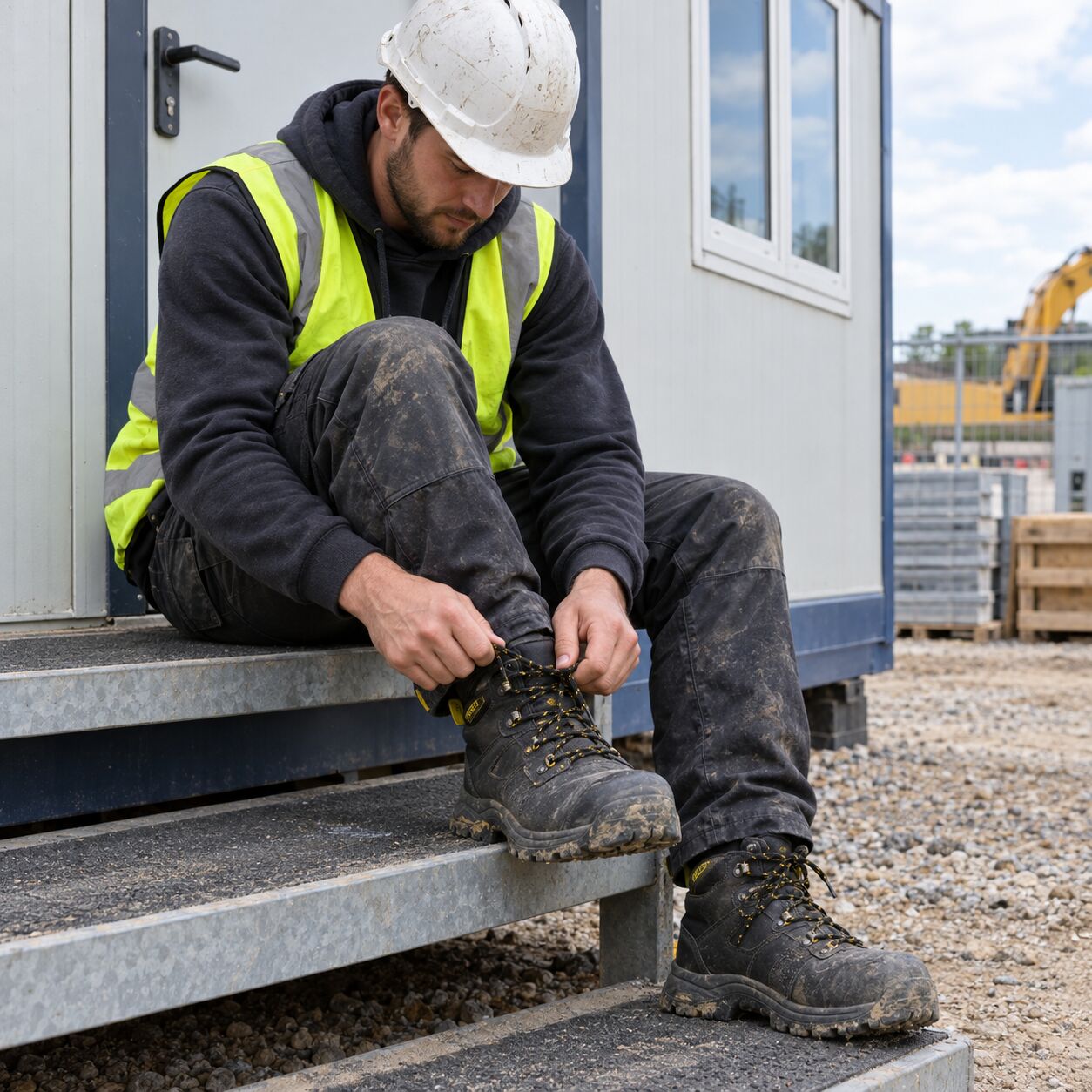
Try reaching, bending and sitting while wearing your complete outfit. Sleeves should not pull tight, and the outer layer should close comfortably. Use your usual work socks when checking boot fit; adding a much thicker pair can make a previously comfortable boot too tight.
Keep protective clothing effective
Extra warmth should not compromise required PPE. Check that added garments work with your protective equipment and do not cover visibility panels. Follow the manufacturer’s instructions for approved garment combinations. HSE explains PPE fit and compatibility.
Prepare for the journey home
Keep a dry spare layer available where practical. After the shift, inspect clothing for damage and follow the care label when washing and drying. A simple routine makes it easier to start the next day with kit that is clean, dry and ready.